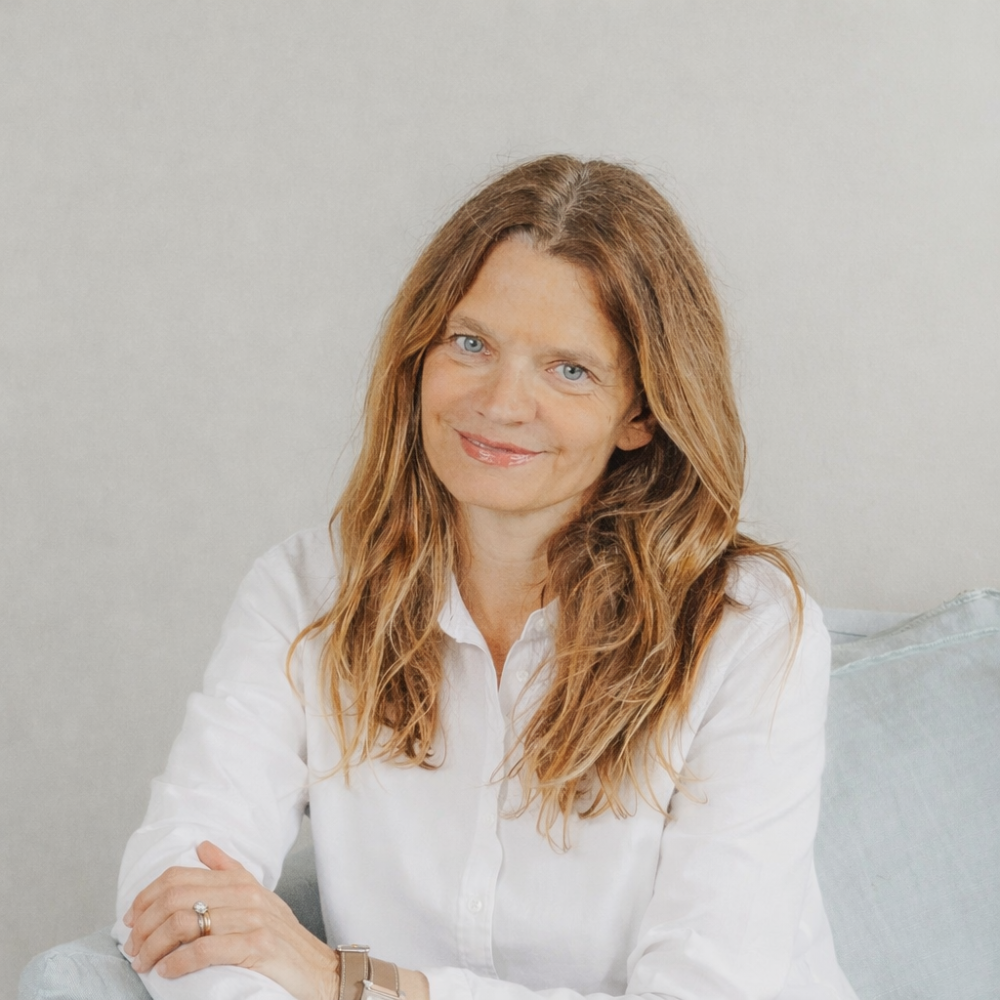
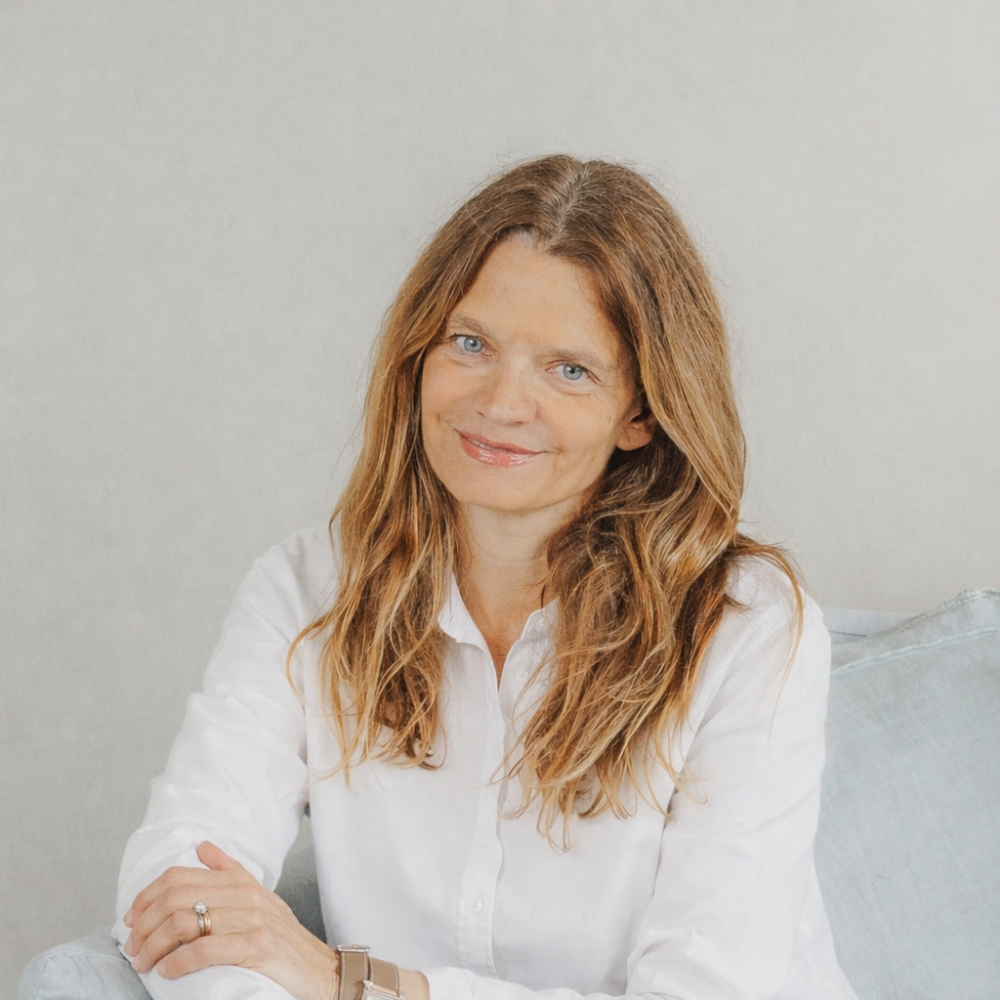
Understanding Sleep – In Conversation with MSc Bianca Maus

On sleep, natural rhythms and the Ayurvedic Sleep Reset at Engel Ayurpura

Restful sleep is no longer something many people can take for granted.

Sleep is one of the most important foundations of our health – and at the same time one of the most delicate. Today, many people find that truly restorative sleep is becoming increasingly difficult. Stress, digital habits or an irregular daily rhythm can easily disrupt the body’s natural balance.
The Ayurvedic Sleep Reset at Engel Ayurpura is a retreat that combines modern sleep medicine with the regenerative principles of Ayurveda. The aim of the programme is to better understand individual sleep patterns and develop sustainable strategies for deep, restorative sleep.
The retreat is guided by MSc Bianca Maus (University of Oxford), a specialist in sleep medicine. Together with the medical team at Engel Ayurpura, she supports guests in analysing their sleep quality and discovering new ways to restore healthy sleep.

In the following conversation, she explains why sleep is so complex – and how the Ayurvedic Sleep Reset at Engel Ayurpura can help the body rediscover its natural rhythm.

Personal Journey

Ms Maus, to begin with a personal question: what originally inspired you to focus so deeply on the field of sleep in your professional life?

About fifteen years ago, a sleep physician encouraged me to complete a curriculum in dental sleep medicine – although at the time I had very little interest in the topic. Yet during the very first session, I realised how fascinating the subject was. This fascination eventually led me to study sleep medicine at the University of Oxford in 2018. Since completing my master’s degree, my life has been devoted to this field, both professionally and personally.
Today I collaborate with two sleep laboratories, serve as a consulting physician for sleep medicine at Lanserhof Sylt, and work as a lecturer and training practice for the German Society of Dental Sleep Medicine (DGZS). I regularly give national and international lectures, conduct courses and webinars for private companies in the fields of sleep and longevity, and collaborate with several universities on scientific research.


The Ayurvedic Sleep Reset combines modern sleep medicine with the regenerative principles of Ayurveda. What makes this approach particularly special from your perspective?

This approach brings together two complementary perspectives. Modern sleep medicine works in an evidence-based and symptom-oriented way, focusing on diagnostics and therapy. Ayurveda, on the other hand, looks more deeply at the underlying causes, such as stress, daily rhythms and individual constitution.
In this way, precise, evidence-based diagnostics are combined with holistic regeneration. The key connecting element is the regulation of the nervous system. An overactive stress system often prevents truly restorative sleep. While conventional medicine provides diagnostic clarity, Ayurveda focuses on activating the parasympathetic nervous system – the body’s restorative mode – and reducing stress hormones. As a result, the body can gradually return to deeper and more restorative sleep through this process of regulation.


A central component of the retreat is the sleep analysis using the WatchPAT ONE device. How does this analysis work and what insights can guests gain about their sleep?

The sleep analysis with the WatchPAT ONE allows for a well-founded and medically validated assessment of sleep quality – all within a relaxed environment, without the stress typically associated with a sleep laboratory. The device is based on PAT technology (Peripheral Arterial Tone). A sensor system worn on the finger measures subtle changes in vascular tone, which makes it possible to identify sleep phases and breathing events. Additional sensors record heart rate, oxygen saturation and body movements.
For many guests, this provides their first objective picture of their sleep. It can help answer questions related to daytime fatigue, difficulty falling asleep or frequent awakenings during the night. The results are then directly integrated into personalised strategies – for example adjustments to evening routines, breathing exercises or relaxation techniques. In this way, the retreat creates a bridge between modern sleep diagnostics and holistic therapy that is both objectively measurable and personally experienced.


When guests spend a week at the retreat, what changes or insights do they often experience during that time?

Many guests report a greater sense of inner calm and a stronger awareness of their body after just a few days. Often they realise for the first time how tense their nervous system had been before. This growing sense of calm – supported by targeted relaxation techniques, daily routines and therapeutic treatments – often has a direct effect on the ability to fall asleep and improves overall sleep quality. These experiences tend to be more sustainable than theoretical advice alone, because they are physically felt within the body. Many guests notice an increase in energy levels and mental clarity during the day.
In the first days, however, some guests may also experience temporary restlessness. This is not a setback, but rather part of a holistic regulatory process in which the nervous system begins to rebalance itself. Through the sleep analysis, many participants gain an objective understanding of their sleep for the first time and recognise individual influencing factors such as stress or nighttime breathing interruptions. Sleep is therefore no longer perceived as an isolated problem, but as part of a broader system involving lifestyle, stress regulation and inner balance.

Understanding Sleep More Deeply

Many people today struggle to experience truly restorative sleep. From your perspective, what are the most common causes of sleep problems?

The most common causes of sleep problems rarely occur in isolation. In most cases, they arise from a combination of factors such as stress, a disrupted biological rhythm, lifestyle habits and – not to be underestimated – medical or psychological causes. A particularly common factor is an overactive nervous system that prevents the body from switching into the necessary restorative mode. This can manifest as difficulty falling asleep, frequent awakenings during the night or even anatomically caused breathing interruptions such as sleep apnoea. For this reason, it is essential to look at sleep from a holistic perspective rather than treating individual symptoms in isolation.


What role do factors such as stress, digital habits or an irregular daily rhythm play in the quality of our sleep?

These factors directly influence both the nervous system and the body’s biological rhythm. Stress is often the most significant factor. When stress levels remain elevated over long periods, the nervous system stays in an activated state, making it difficult for the body to transition into the restorative mode required for sleep.
This often appears in the form of difficulty falling asleep, waking frequently during the night or experiencing shallow, unrefreshing sleep. Digital habits can further intensify this problem. Using smartphones or other screens in the evening suppresses the production of melatonin through blue light exposure – the hormone responsible for initiating sleep.
At the same time, the constant flow of information from social media, news or messages stimulates the brain and makes it harder to switch off.
An irregular daily routine can also disrupt the body’s internal clock, meaning that sleepiness and rest no longer occur naturally at the right time.
The result is often a persistent feeling of exhaustion without true recovery.

A Holistic Perspective on Sleep

During the retreat you work closely with the Ayurpura team and Dr Parth. In your view, how do modern sleep medicine and Ayurveda complement each other?

Modern sleep medicine provides precise diagnostics and makes sleep disturbances measurable. Ayurveda, on the other hand, views sleep as part of a broader state of balance and focuses on factors such as lifestyle, the nervous system and individual patterns. At the retreat, the combination of these two perspectives creates a particularly powerful synergy. Modern diagnostics bring clarity and medical certainty, while Dr Parth and the Ayurpura team provide the tools to respond to these insights and support lasting improvements in sleep. The result is an approach that is neither purely technical nor purely traditional, but integrative. It combines measurable medical findings with deeply personal, experiential change. In my view, this is where its real strength lies – sleep is not only analysed, but understood holistically and actively regulated.

Alongside medical analysis, nutrition, movement and relaxation practices also play a role. Why are these factors so important for healthy sleep?

These elements influence key systems within the body, including metabolism, hormonal balance and the nervous system. Nutrition, for example, affects blood sugar levels and sleep hormones, while heavy or late meals can disturb sleep. Movement helps stabilise the body’s natural day–night rhythm and reduces stress – a central factor in both difficulty falling asleep and staying asleep. However, timing is crucial. Intense physical activity late in the evening can be stimulating and may delay sleep. For this reason, relaxation practices such as breathing techniques or meditation are often introduced in the evening. Their purpose is to activate the parasympathetic nervous system – the body’s regenerative mode responsible for rest and sleep – and to support the transition from the active pace of the day into the calm of the night. Together, these elements create a biological foundation for healthy sleep. They establish the conditions that allow the body to enter stable and restorative sleep naturally – not through force, but as the result of a well-regulated system.

What do you hope guests will understand about their own sleep and their body after spending a week at the Ayurvedic Sleep Reset Retreat?

Guests should gain a clearer understanding of why their sleep has been disrupted and which factors influence it. Many people arrive with the feeling that they simply “cannot sleep,” but leave with a deeper understanding of why their body has not been able to rest. This understanding alone often relieves much of the pressure surrounding the topic of sleep. At the same time, guests learn practical methods that allow them to actively improve their sleep. One of the most important outcomes is a renewed sense of self-efficacy. Many participants experience for the first time that they can influence their sleep – not through control, but through the way they shape their daily routines, habits and relationship with themselves.
If guests leave the retreat feeling that sleep is no longer an adversary but a comprehensible and responsive part of their own system, then, in my view, a great deal has already been achieved.

Returning to the Natural Rhythm

Sleep is not an isolated problem but the expression of a complex interplay between lifestyle, the nervous system and inner balance.

The Ayurvedic Sleep Reset at Engel Ayurpura brings together modern sleep medicine and the regenerative principles of Ayurveda, creating a space where guests can rediscover and understand their own sleep more deeply – not only in theory, but through direct experience.