Ayurveda and Lightness

A Conversation with Dr. Parth

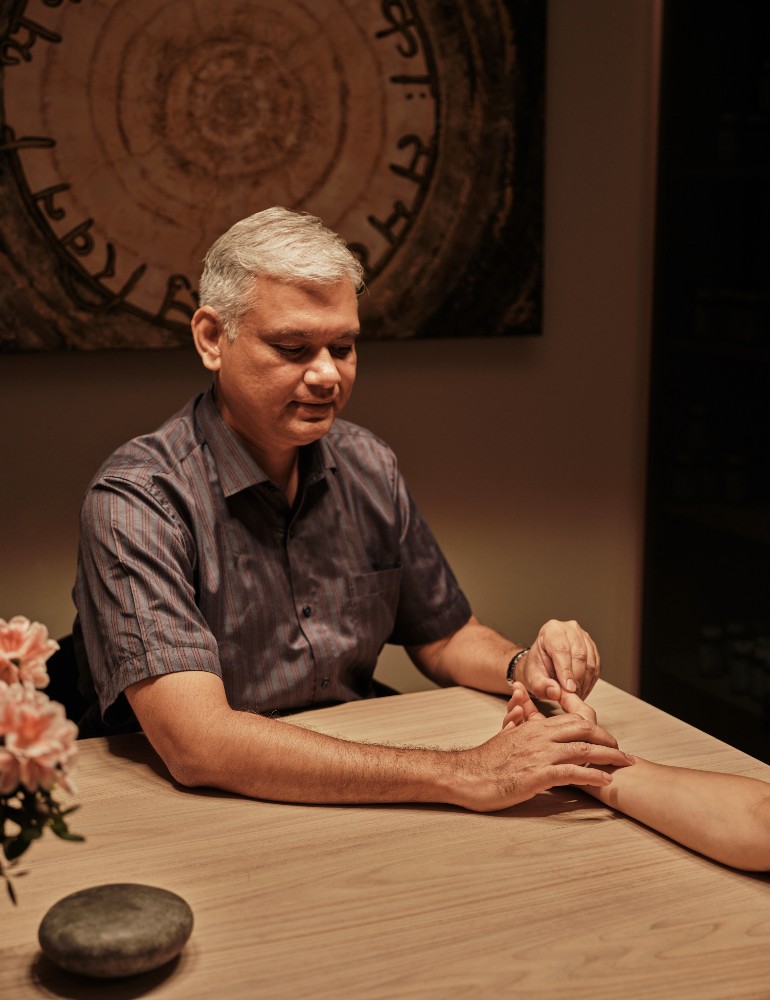
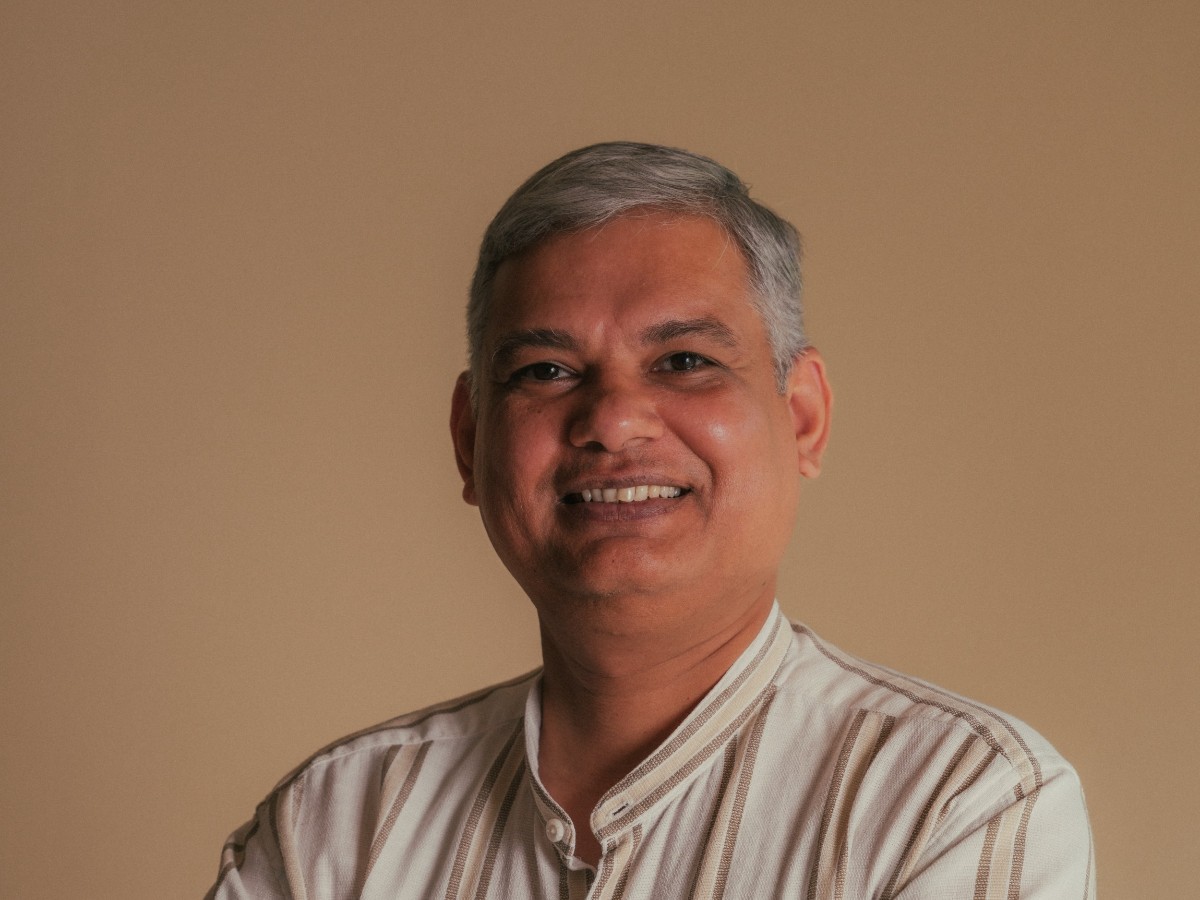
Dr. Parth has spent over twenty years working with Ayurveda — a long journey that now continues here in the Dolomites. At Engel Ayurpura, he shares his understanding of what Ayurveda really means, why “lightness” matters, and how ancient wisdom can help us breathe a bit easier in our busy lives. A conversation with depth, warmth and a surprising amount of simplicity.
Dr. Parth, could you tell us a little about your background? What inspired you to become an Ayurveda doctor?

I was born in Aurangabad in India, and my path to Ayurveda wasn’t exactly straight. After finishing my Bachelor’s in Ayurvedic Medicine and Surgery in Nagpur, I traveled and trained across the country — Panchakarma, herbal therapies, all of it.
But the true turning point came earlier: in my twenties I struggled with chronic fatigue. Nothing dramatic, just… draining. Modern medicine helped, but it didn’t bring me fully back to myself. Ayurveda, though — it restored balance. Not only physically, but mentally. It was like someone turned the lights back on.
That experience stayed with me. Healing shouldn’t feel like a fight — it should feel like remembering something natural. Two decades later, I’ve treated elite athletes, stressed CEOs, parents running from task to task — and the message is always the same: care for your balance before imbalance demands attention.

What does Ayurveda mean to you personally?

For me, Ayurveda is a way of being in the world. It reminds me I’m not separate from nature or the seasons or my own emotions. Yes, it’s called the “science of life,” but the meaning goes deeper. It’s sattva — clarity, light, joy without force.
Ayurveda doesn’t push rules on you; it asks you to listen. Some days that’s easy, some days not at all. But it’s real. A lifelong practice of trial and error, of discovering what brings ease and what takes it away. When you honor your inner spark, lightness becomes… inevitable.

Ayurveda & the Engel Ayurpura Philosophy

Engel Ayurpura blends Ayurveda with a modern sense of lightness. How does that align with Ayurvedic tradition?

Beautifully, actually. The ancient texts talk a lot about laghu — the quality of lightness. Food, movement, thoughts that don’t weigh us down. Ayurveda is not meant to be frozen in time. It evolves, like nature itself. Engel Ayurpura keeps the tradition close, but with this fresh alpine character — crisp air, spacious views, that mountain clarity. It’s like mixing warm turmeric milk with a cool Dolomites breeze. Not a dilution of tradition. An evolution that helps Ayurveda stay alive and helpful for people today.

Many people think Ayurveda is strict and full of rules. How can it feel more intuitive and natural?

This is such a common misconception. Ayurveda isn’t about perfection or restriction. It’s an invitation to tune in. Small experiments:
  • A warm ginger tea in the morning — grounding?
  • A 10-minute walk after meals — easier digestion?
  • Listening when the body says rest now — instead of push through.
Doshas guide us, they don’t trap us. At Engel Ayurpura, we turn guidelines into daily rhythms that feel like your own — not like homework.

Ayurveda emphasizes balance between body and mind. How does this shape lightness?

When Vata, Pitta, and Kapha are aligned, the emotional heaviness we carry — anxiety, irritation, sluggishness — starts to dissolve. Balance creates lightness, inside and out.
I’ve seen guests leave a treatment or a simple breath practice looking years younger — because they finally put something down that wasn’t theirs to carry anymore. Lightness isn’t emptiness. It’s presence.

Lightness & Wellbeing

What does lightness mean in Ayurveda — and does it include emotional wellbeing?

Oh yes. Laghu guna is one of the universal qualities described in Ayurveda. It’s not only about digestion or weight. It’s about thoughts, relationships, nervous system, even how we respond to stress.

A meal that digests well helps the body.
A conversation that uplifts you helps the heart.
And a practice that calms the mind — that’s medicine too.

True lightness is when all three play together.

Are there daily rituals that support both physical and mental lightness?

Rituals, to me, are like little love notes we write to ourselves. They don’t have to be dramatic or time-consuming; they’re small anchors that remind the body and mind how good it feels to be cared for. Take Abhyanga, for example — a warm, slow self-massage with sesame oil before a shower. It warms the tissues, gets the blood moving, and suddenly you’re not holding onto quite so much tension.
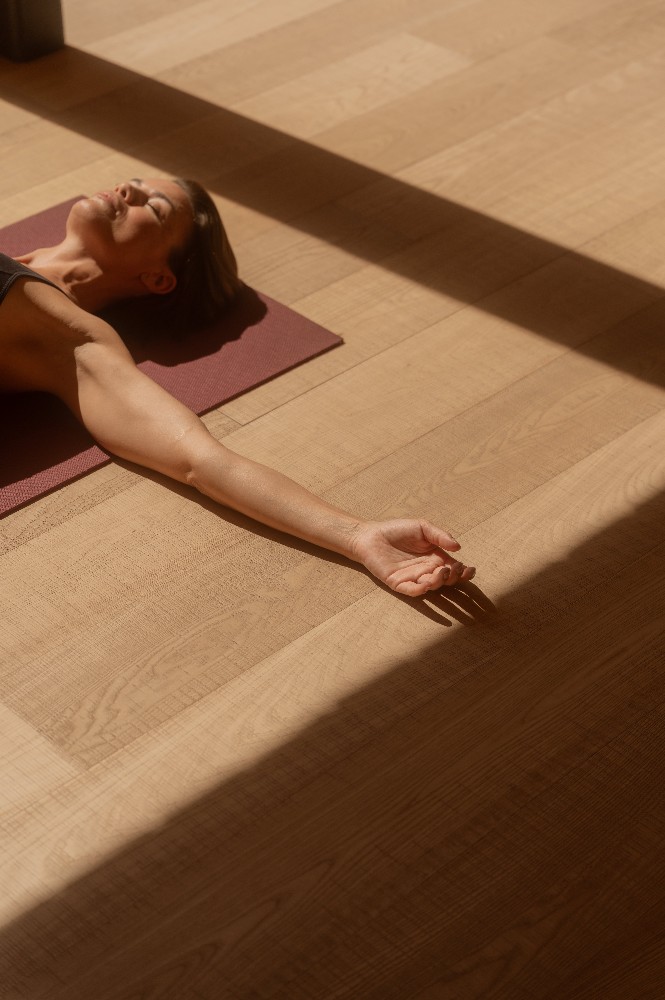
For the mind, I often recommend trataka: just five quiet minutes gazing at a candle flame until the mental chatter starts to soften. And I absolutely swear by tongue scraping first thing in the morning — a tiny ritual, but it clears away yesterday’s residue, physically and, somehow, emotionally too.
Even a moment of gratitude can shift everything. Naming three things around you that make you smile — a view of the mountains, a ray of morning light, or simply a peaceful breath — can lighten the heart more than we expect. None of these habits are chores. They’re sparks. And when they start adding up, lightness becomes less of a goal and more of a feeling that returns on its own.

And how can Ayurveda help with stress?

Stress is basically Vata in high gear — racing thoughts, restlessness, breath that forgets itself. Ayurveda brings it back to earth:
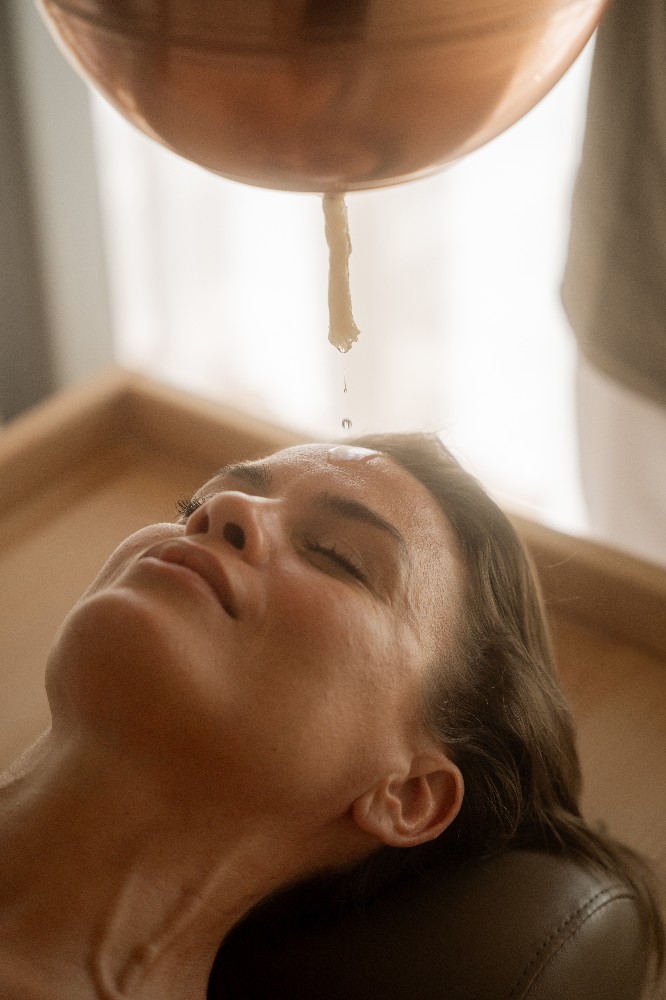
  • Warm oil treatments (like Shirodhara) quiet the mind.
  • Herbs such as Ashwagandha offer support without sedation.
  • A regular routine gives anxiety fewer cracks to slip through.
  • Not suppression — guidance. We learn to redirect the wind rather than fight it.
Ayurveda in the Dolomites

From a medical standpoint, how have you shaped the concept of Engel Ayurpura?

My role is to ensure every treatment is both grounded in Ayurveda and aligned with Engel Ayurpura’s guiding idea: lightness. We created personalized protocols, we integrated local alpine botanicals, and we make sure each guest is seen as an individual — Ayurvedic pulse assessment included.
It’s clinical knowledge paired with intuition. And a lot of heart.

How does the surrounding nature influence your work here?

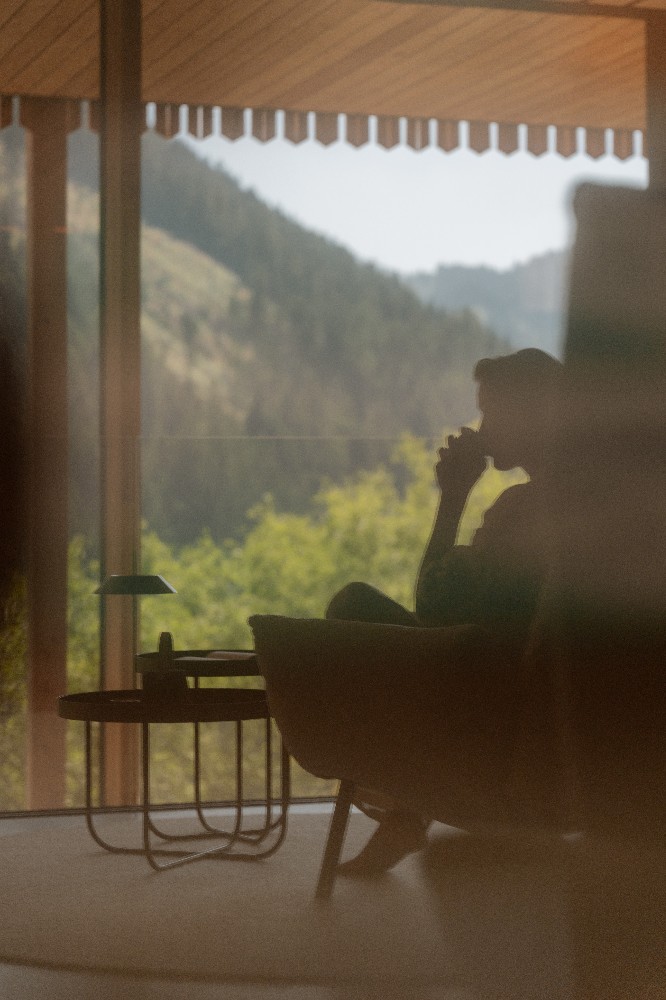
These mountains are incredible teachers. They are silent, steady, full of life force — prana. Just being outside can rebalance a nervous system.

A sunrise hike here is like a moving meditation.
The forest air — like herbal therapy without the jar.
Ayurveda thrives when nature is a partner, not a backdrop.

Are there specific treatments that truly reflect the idea of lightness?

There are several — each one a slightly different doorway into ease:

Abhyangam
Warm oil, long flowing strokes, herbs that grow not far from here. Deep release without force. You stand up lighter.

Mountain Meditation & Puja
High above daily concerns, the mind softens. A final ritual invites you to leave behind whatever no longer needs to travel with you.

Hrid Basti
A circle of dough placed on the chest, filled with warm medicated oil — the emotional heart exhales.

Shiro Dhara
A steady stream of oil across the forehead. Thoughts slow down. Space returns. Dawn inside the mind.

Udvartanam
Herbal powders awaken skin and circulation. The body remembers its own energy and says yes again.

Shiro Pichu
Warm oil at the crown of the head — a surprisingly powerful way to settle the nervous system.

Dhumapana
Aromatic herbal smoke that clears the senses. A symbolic release too: the exhale after a long time holding.

Each treatment is a gentle reminder: you don’t have to carry everything.

Everyday Ayurveda

Many guests have limited time. What are three simple principles anyone can adopt?

Time is precious, let’s keep it easy:
You don’t need a full retreat to feel a shift. Start simple: warm water in the morning to wake up digestion gently, the way sunlight slowly opens the day. Choose foods that match the season — the body understands this language better than any diet rulebook. And set a tiny intention each morning. Just one sentence that you can actually carry with you. Something like: “I move with ease today.” Not perfection — just direction.
Give it seven days. You’ll be surprised how small choices can quietly change the way the day lands in your body.

What morning rituals do you personally love for a lighter start?

I keep mine short and honest. A nasal rinse followed by a few energizing breaths — it clears the inner windows, so the mind doesn’t start the day fogged. Then a warm, nourishing breakfast; nothing fancy, just something your stomach doesn’t have to work hard to understand. And before emails or noise, I step outside. Even briefly. I look up at the sun — or the clouds if the sun is shy — and say a quiet thank you.
Those fifteen minutes are like a reset button: suddenly the day feels taller, more spacious, as if the body remembered how to stand freely again.

A final wisdom you’d like to share?

There’s a line from Charaka that I come back to often:
“When a man is established in himself, he feels the whole world as himself.”

Lightness isn’t about becoming someone else or chasing some future version of you. It’s simply remembering — gently, patiently — that you are already whole. And that every breath can be a return to that truth.

One breath at a time. Always.

Dr. Parth, thank you very much for this inspiring conversation.